the emotional energy of soft pink
Before we connect with or name an emotion, our bodies sense something — a temperature, a density, an energy… Here, I offer colour as a quiet companion in this process, offering shape to that felt sense.
Colour is a gentle doorway into felt sense because it bypasses language and goes straight to sensation, memory and mood. It also offers a spectrum, allowing for our experience to be nuanced, flexible and deeply personal.
What emerges when we let ourselves feel into soft pink?
Pink is a colour which greets us softly and with warmth. Unlike red, it does not announce itself boldly and demanding our attention, but with a gentle invitation. It carries warmth without urgency and closeness without demand.
We encounter pink in the most intimate of places: the inside of the body, the lining of the mouth, the flush of skin touched by warmth or emotion. Pink speaks of vulnerability made visible. In early life, pink is often associated with care, the holding of bodies, soothing voices and moments of attunement. These early sensory experiences shape our expectations of safety, closeness, and responsiveness, and so pink becomes a colour of emotional memory.
Across cultures, pink has held shifting meanings. In some historical contexts, it was considered a colour of strength and refinement, as a lighter expression of red’s vitality. In others, it has been associated with innocence, romance, or softness, sometimes diminished or dismissed for these qualities.
In art and visual culture, pink has often been used to disarm. Soft pink can lower defences, slow the nervous system, and invite emotional proximity. Contemporary artists have reclaimed pink as a site of complexity — capable of holding tenderness and grief, desire and care, without collapsing into sentimentality. Pink is pretty, but is not merely a clour of sweetness or decoration, it holds emotional intelligence and ambiguity. Pink is a colour that refuses hardness and which remains porous, relational, and human.
So how do you respond when you feel into soft pink?
Psychologically, pink is often associated with emotions that are lower in intensity but rich in depth:
Tenderness
Affection
Care and attunement
Vulnerability
Gentle longing
Safety
Sadness held with compassion
These emotional states are often associated with the parasympathetic nervous system in moments when the body feels sufficiently safe to rest and soften. Soft pink can feel comforting and regulating, or exposing of our vulnerbility. For some, it evokes warmth, connection, and ease. For others, it may stir discomfort, touching a fear of softness, dependency, or being seen too closely.
Pink tends to be felt closer to the surface of the body, in the skin, the throat, the hands. It carries a relational energy, drawing attention to contact, touch, and the proximity of bodies and emotion.
When softness has been unsafe, pink may be avoided. This can show up as emotional distance, self-reliance that leaves little room for support, or discomfort with dependency and care. When softness is longed for it may appear as emotional overexposure, people-pleasing, or difficulty holding boundaries. In therapeutic spaces, soft pink often emerges when there is a need to reintroduce safety reassurance, permission to be tender with oneself, or practise being tender without losing oneself.
You might gently invite soft pink into your awareness now. Let it arrive at its own pace.
Notice where it appears in your body, if at all. There is no correct way to experience pink.
Do you lean toward this colour or feel a subtle resistance?
If it feels too exposing, allow the pink to be paler, quieter, almost translucent. Adjust its softness until it feels possible to remain present.Then gently notice:
Where do I experience softness in my body?
What is the sensation there?
What is pink’s temperature — warm, cool, or neutral?
What is its texture — velvety, airy, fluid?
Does it have a sound — a hum, a whisper, or silence?
Does it move — spreading gently, resting, or dissolving?
What is it like to see, hear and move in this way?
What does soft pink want from me right now?
Is it inviting care, rest, or closeness?
How do I respond to my own tenderness?
As you stay with the colour, notice if an emotion begins to surface,
Affection
Vulnerability
Grief
Longing
Gentleness
Self-compassion
Nostalgia
Relief
Sadness
Warmth
Soft pink does not ask us to be strong or composed and it does not demand intensity or action. It does ask for honesty and for permission to be affected, to be gentle, to remain open without forcing.
When you are ready, you can let the colour fade, shift, or remain. Your relationship with pink — and with your own tenderness — may change over time. It may deepen, retreat, or return when it is needed.

‘Mixed Blood' by Marlene Dumas
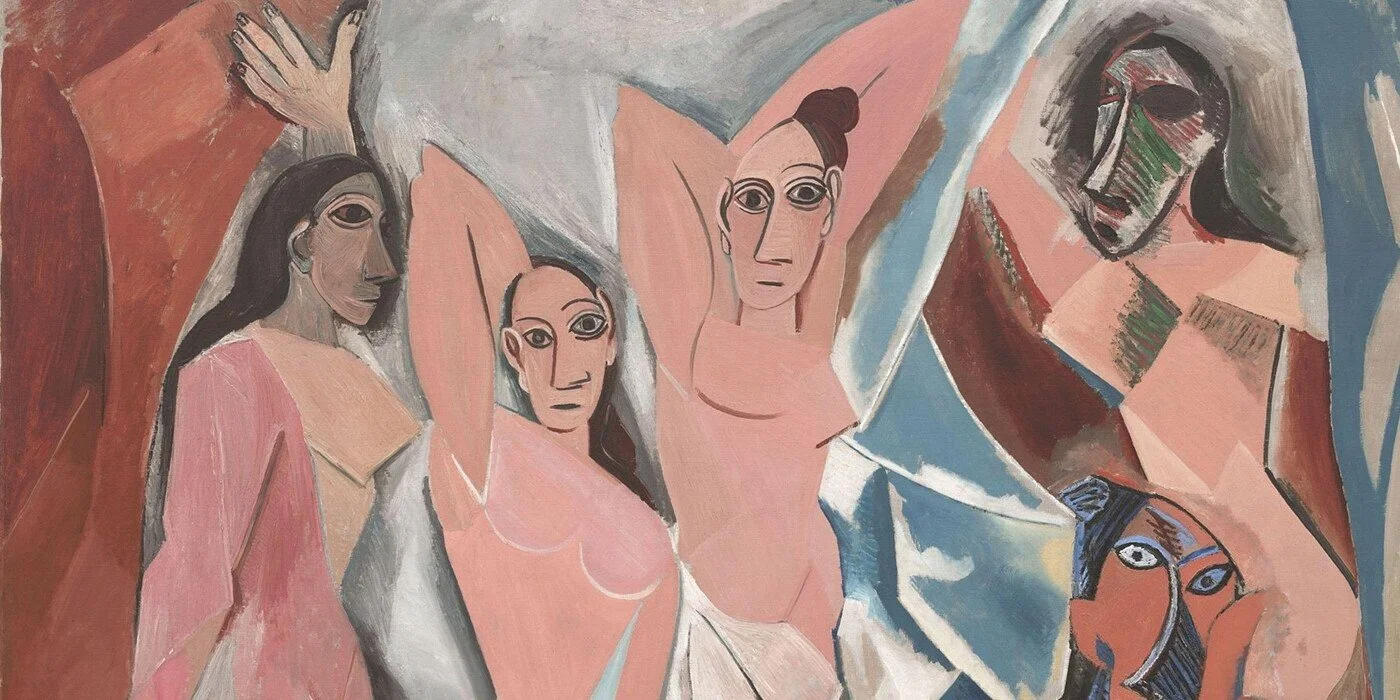
‘Les Demoiselles d'Avignon (The Young Ladies of Avignon)’ by Pablo Picasso

‘Pink on pink’ by Mark Rothko, 1953
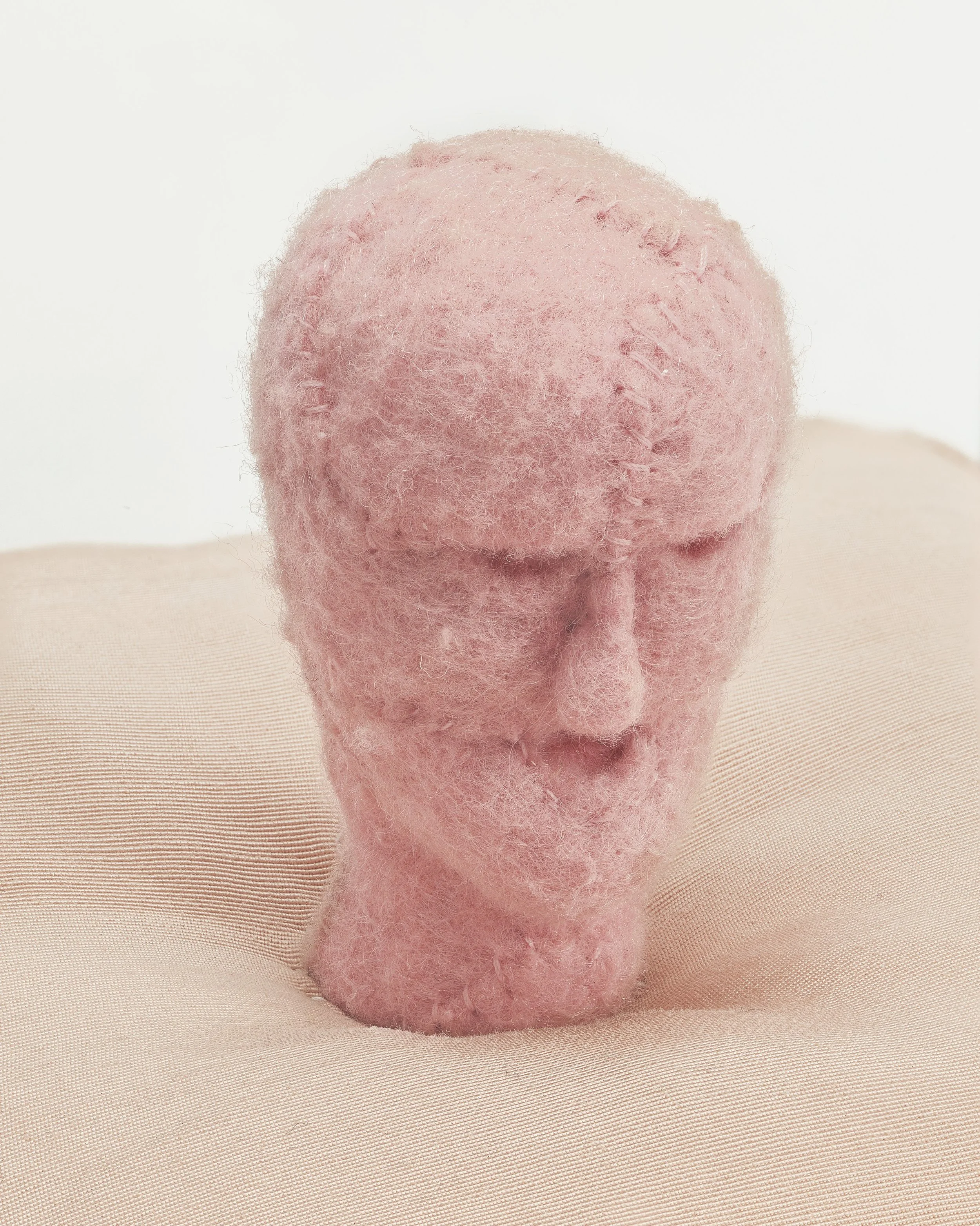
‘Untitled’ by Luoise Bourgeois

Fra Angelico’s fresco in Florence (1439-1444) depicts the archangel Gabriel in pink