The Emotional Energy of Red
Before we connect with or name an emotion, our bodies sense something — a temperature, a density, an energy… Here, I offer colour as a quiet companion in this process, offering shape to that felt sense.
Colour is a gentle doorway into felt sense because it bypasses language and goes straight to sensation, memory and mood. It also offers a spectrum, allowing for our experience to be nuanced, flexible and deeply personal.
R E D
What emerges when we let ourselves feel into red?
Red is one of the first colours we come to recognise - bold and immediate, our response to it can be palpable. We see it in blood and flame, in ripening fruit, in flushed cheeks and setting suns. Red announces life.
Across cultures, red has been powerfully evocative and held contradictory meanings. In many ancient societies, red was associated with life force and protection — ochre pigments were used in burial rituals, symbolising blood, vitality, and rebirth. In China, red has long been connected with luck, celebration, and prosperity, worn at weddings and festivals to invite fortune and joy.
At the same time, red has been associated with danger and warning. We use it to mark unsafe boundaries, signal threat, and call for immediate attention.
In religious iconography, red has been used to represent both sacrifice and sin, passion and suffering held side by side.
Throughout artistic history, red has been a colour of intensity.
In modern and contemporary work, red shifted from symbol to experience — used not to instruct emotion but to evoke it directly in the viewer’s body. Across time, red has resisted neutrality, asking for presence, engagement, and response.
So, how do you respond when you feel into red?
Psychologically, red is often linked to emotions that are high in intensity, and has become symbolic of,
Anger and rage
Passion and desire
Love, longing, and attachment
Courage and survival
Shame or exposure
Our sense of red may be energising and empowering, overwhelming or destabilising. For some, red brings a sense of strength and groundedness, for others, it evokes stress or loss of control.
Red carries a distinctly embodied energy, often felt low in the body — in the belly, chest, or legs — connecting us to instinct, movement, and action. It may be experienced as a surge forward (or away), a protective force, a call to take up space, or a reminder of physical presence.
When red is suppressed or feared, it may turn inward, showing up as irritability, tension, or aggression. When red is expressed without containment, it may feel explosive or consuming. In therapeutic spaces, red sometimes emerges when there is emotion that has been contained for too long, or when a boundary is being crossed — internally or externally.
The power of red can shake us, even frighten us. Yet, like any colour — and any feeling — it asks to be felt.
You might gently invite red into your awareness now. Not as a word or an idea, but simply as colour. Notice where it appears in your body, if at all. There is no right way to experience red. Simply notice what arises.
Is this a colour you lean toward — or pull away from?
If you find yourself puling away, offer yourself a gentler experience of the colour - turn its vibrancy down, to deepen or quieten it. Adjust its intensity until it feels safer to stay present. Notice what you need in order to remain with it, then observe,
Where do I experience intensity in my body?
What is the sensation there?
What is red’s temperature — warm or hot?
What is its density — heavy or light?
Does red have a sound — deep or soft?
Does it move — pulsing, flowing, or still?
What is it like to see, hear and move in this way?
What does red want from me right now?
Is it connecting me with more aliveness, or more protection?
How am I responding to my own intensity?
Is there an emotion which emerges as I feel more deeply into this experience of red?
Anger
Rage
Passion
Desire
Love
Longing
Courage
Excitement
Determination
Defensiveness
Assertiveness
Embarrassment
Jealousy
Impatience
Agitation
Panic
Red does not ask us to be calm or composed. It asks us to be alive, present, and honest with our own power.
When you are ready, you can let that power settle. You can let the colour fade, or stay, in whatever way feels right. Your relationship with red, and your own emotional intensity, can continue to shift, soften, or deepen over time.
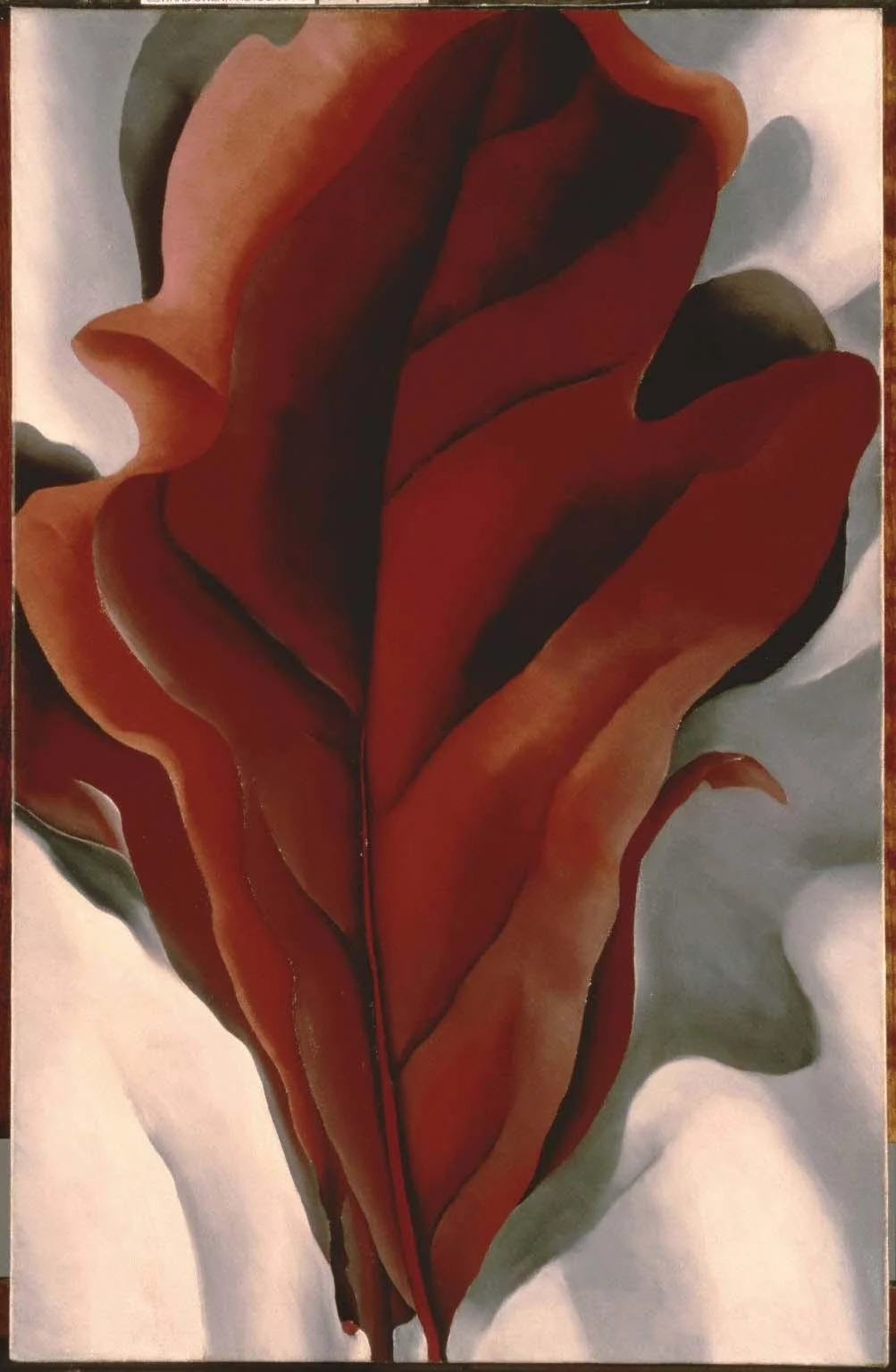
‘Large Dark Red Leaves on White’ by Georgia O'Keeffe.
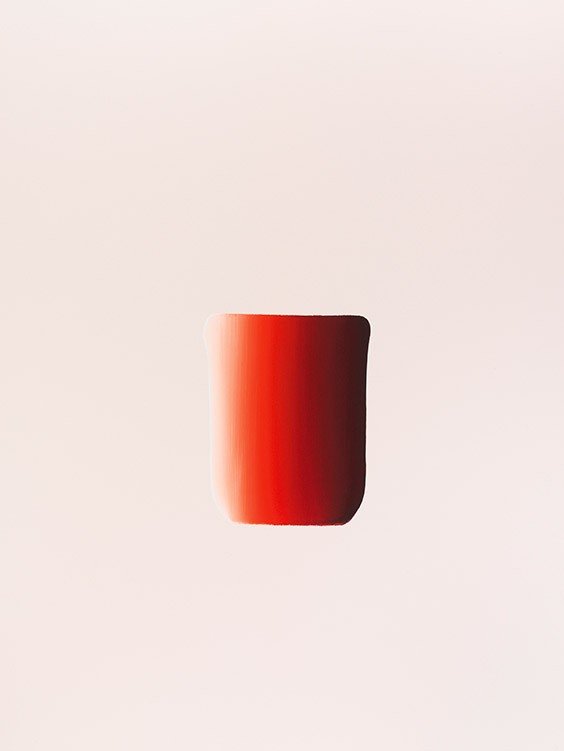
‘Dialogue’ by Lee Ufan.
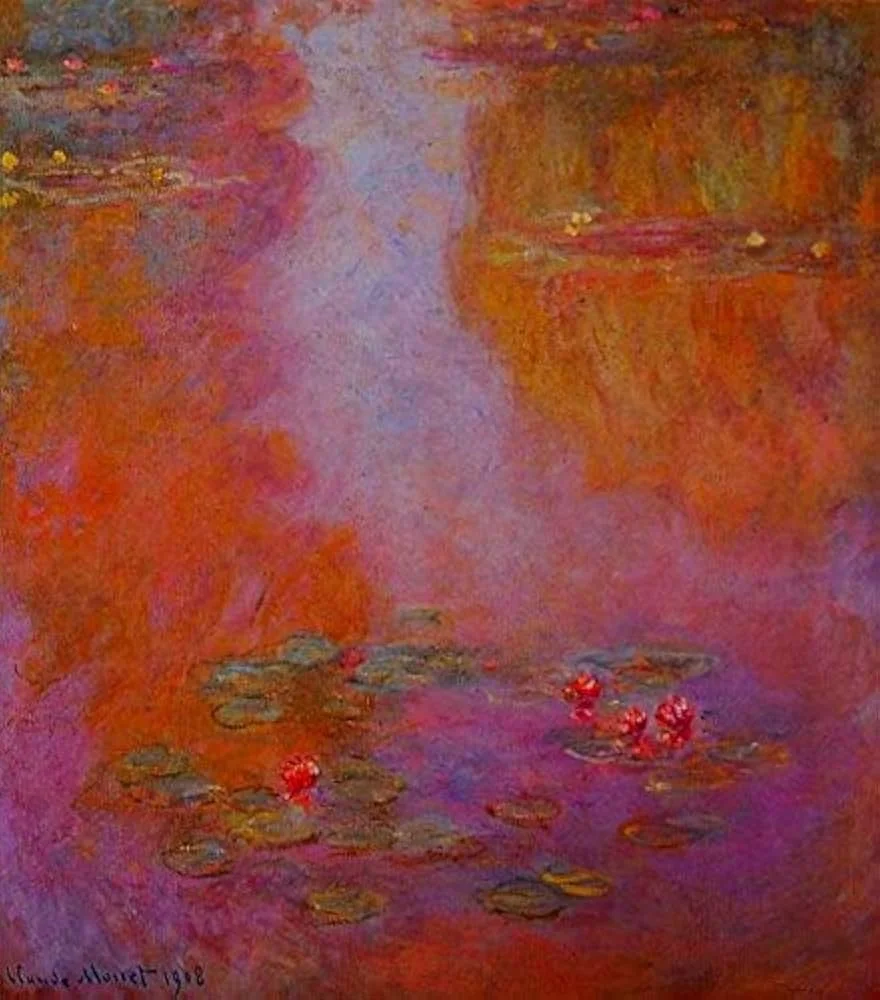
‘Water Lilies’ by Claude Monet
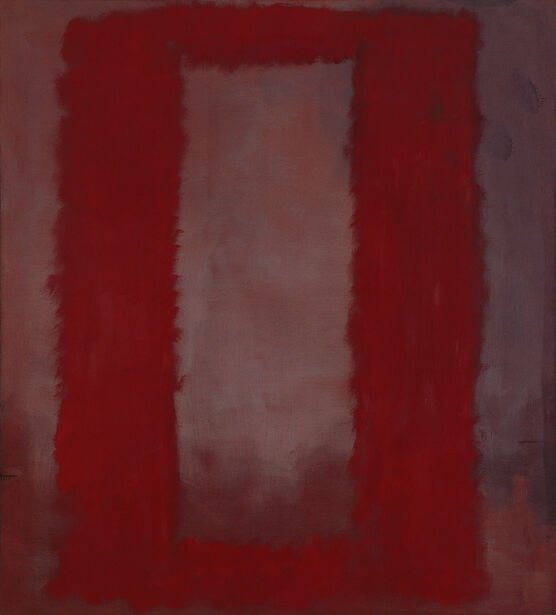
‘Red on Maroon’ by Mark Rothko
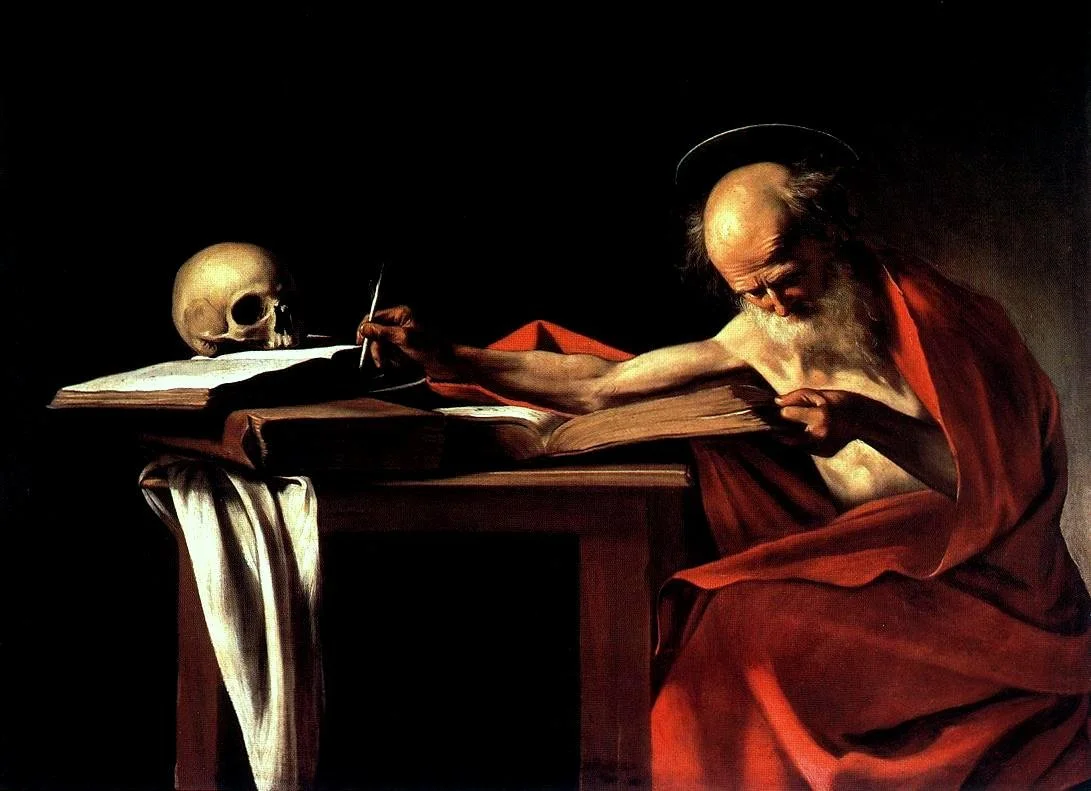
‘Saint Jerome Writing’ by Michelangelo Merisi da Caravaggio.
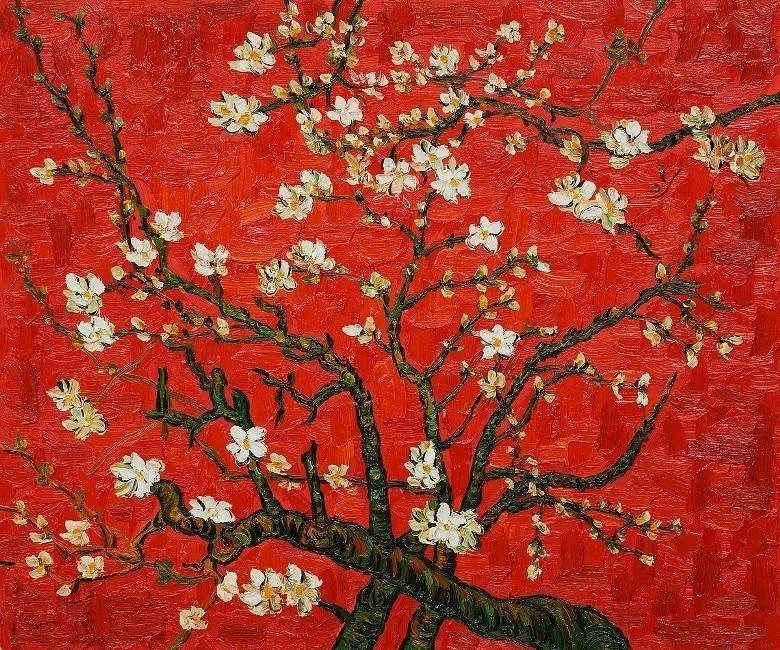
‘Almond Blossom’ by Vincent van Gogh
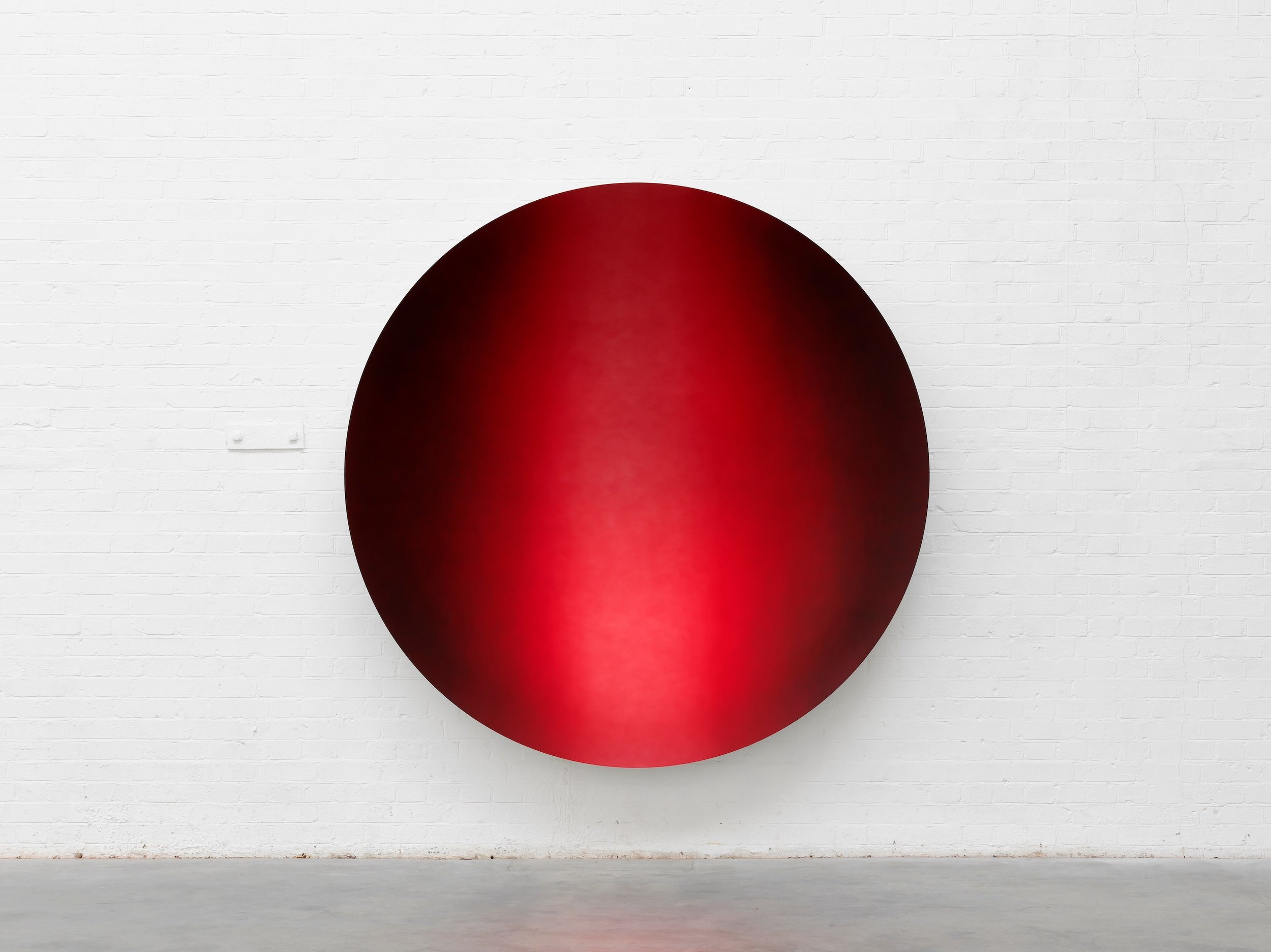
‘Mirror (Garnet to Magenta Apple mix 2)’ by Anish Kapoor
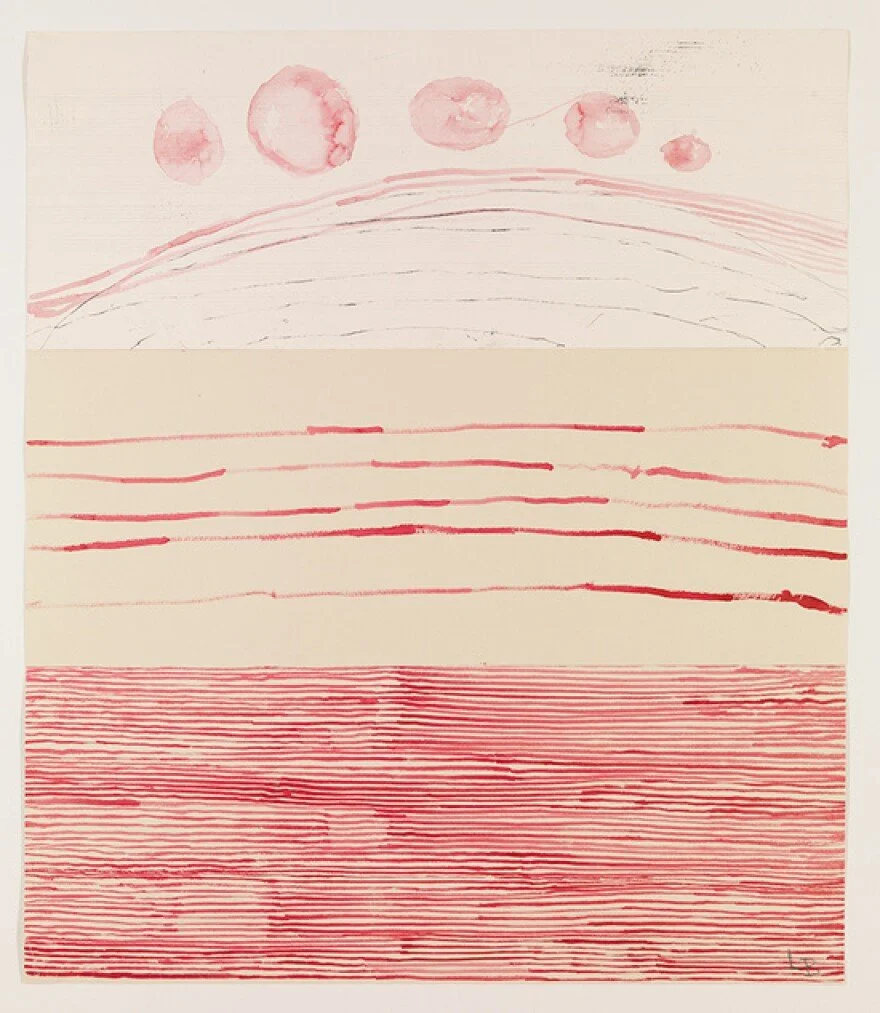
‘he Red Sky’ by Louise Bourgeois
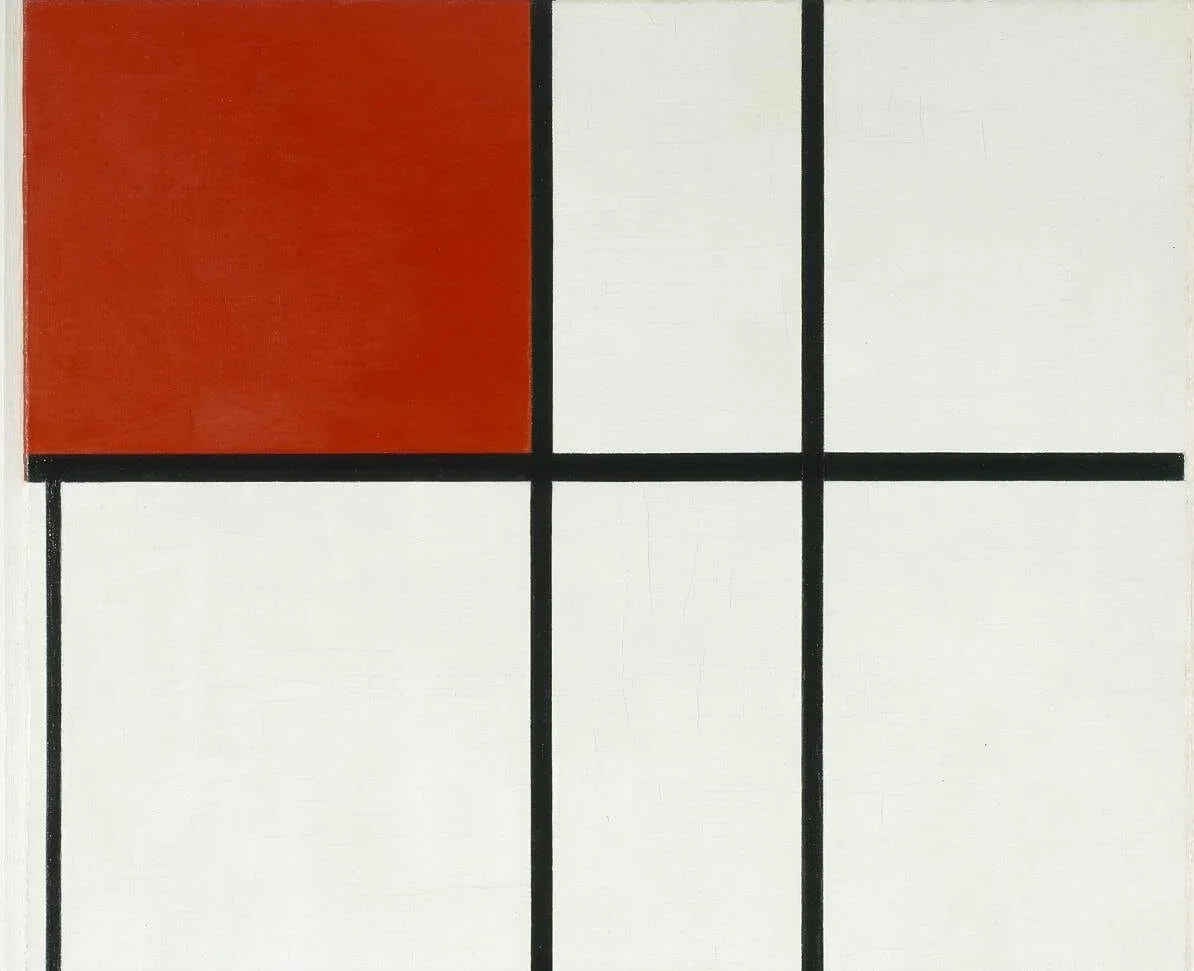
‘Composition B (No.II) with Red’ by Piet Mondrian